From Zimbabwe Today Briefing
In your inbox, every weekday

Zimbabwe's lithium gamble: Moscow, Gulf capital, and the race to refine

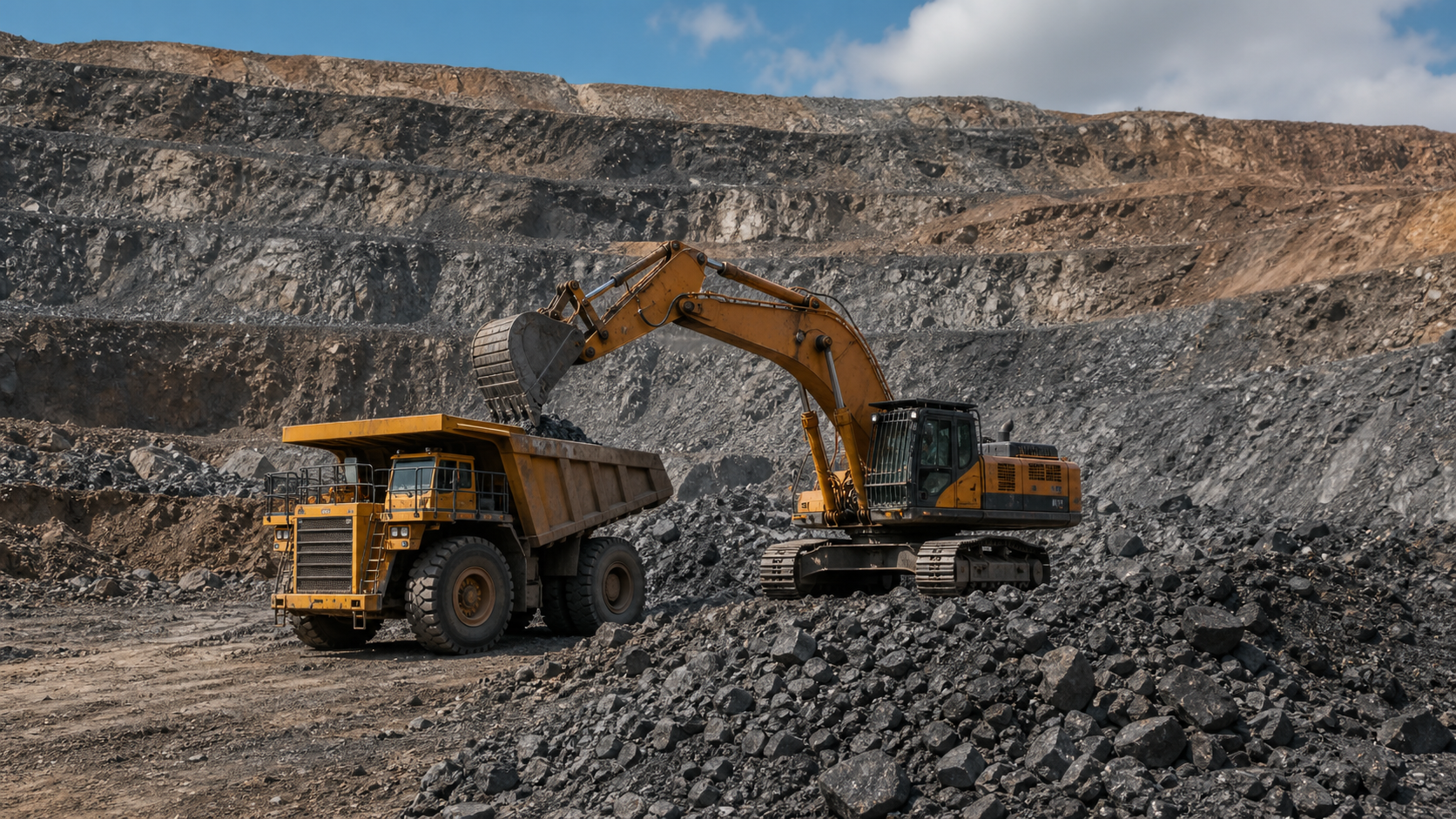
Open pit minerals operation with an excavator and haul truck
Chiadzwa diamond fields, eastern Zimbabwe. Stefanos Rapanis/Reuters

As framework agreements multiply, Harare is pushing to keep processing onshore — a test of whether Africa can capture more value from the minerals boom reshaping global supply chains.

A new wave of bilateral framework agreements has placed Zimbabwe at the center of an emerging contest over Africa's lithium value chain. Russian, Chinese, and Gulf processors have all signed letters of intent in the past six months — but Harare's negotiating posture has shifted: ministers want refining capacity onshore, not raw exports.

The shift reflects both political calculation and economic pragmatism. Resource-rich African states have watched the global battery boom raise prices for raw concentrate while value-added processing remains concentrated in a handful of overseas hubs. By insisting on local refining, Zimbabwe joins a growing peer group — Mali, the DRC, and Namibia among them — pressing for industrial leverage in exchange for mining access.

"We have moved beyond the era of selling stones," said one senior mines-ministry official, who declined to be named ahead of further announcements. "The question is who will build the kilns."

Russian operators, with experience in carbonate processing and access to financing through state banks, are well placed to commit. But Gulf sovereign wealth, increasingly active in African infrastructure, may ultimately set the terms — particularly where downstream demand from Chinese cathode makers anchors offtake guarantees.

Local communities are watching closely. Past mineral booms in the region left a thin trail of jobs and a thicker trail of grievances; the new frameworks will be judged on whether they translate into power, water, and skills — or simply move the bottleneck a few hundred kilometres inland.

Cape Town drought reshapes Western Cape farm exports

Western Cape farmland
Western Cape vineyards. Mike Hutchings/Reuters

Wine and citrus producers race to secure groundwater rights as reservoirs hit a 12-year low ahead of the harvest window.

For the third consecutive season, Western Cape growers are entering harvest with reservoirs below historical averages. Boreholes that once supplemented irrigation have become primary sources, and water-rights filings at the provincial registry have more than doubled year-over-year.

Export contracts with European wholesalers — already squeezed by Red Sea shipping volatility — increasingly include force-majeure clauses keyed to municipal water-restriction levels. Producers say the clauses raise insurance costs but reduce the risk of blow-up disputes mid-season.

Cape Town's deputy mayor said this week that the city was "open to structured offtake agreements" with major farms, a notable shift from a decade ago when agriculture and municipal supply were treated as zero-sum competitors for the same dam.

DR Congo eyes stake in $270M Zambia power link

DR Congo cobalt mine
Cobalt processing site, Kolwezi. Kenny Katombe/Reuters

As power demand grows from copper-cobalt processing, Kinshasa pushes for co-ownership of the cross-border interconnector.

The DRC mines ministry circulated a draft term sheet last week that would give Kinshasa a 30% stake in the proposed 220kV link to the Zambian Copperbelt — a project that has been on regional planning maps since 2019 but stalled on financing.

Officials in both capitals describe the equity ask as a hedge against future tariff disputes: with co-ownership, a unilateral decision by either government to cap exports would be harder to push through. Lenders, for their part, prefer the political cover that a binational ownership structure provides.

The interconnector would lift baseload supply for half a dozen new cobalt-refining plants currently in permitting — facilities whose financing is in turn contingent on guaranteed power. The deal, in short, is the keystone in a much larger industrial chain.

Mali junta opens lithium block to Russia-led JV

Mali lithium operation
Lithium concentrate handling. Annie Risemberg/Reuters

Bamako moves to consolidate processing onshore amid surging Eurasian demand for battery feedstock.

The newly-awarded block — the first of three in the country's southern lithium belt — combines extraction with an obligation to build a domestic carbonate plant within 36 months. The mining-code provision is unusual for the region and reflects Bamako's attempt to capture more of the downstream value.

Russian and Belarusian state-linked operators lead the joint venture, with Chinese cathode makers signing offtake letters in the same week. The structure gives both ends of the value chain — feedstock and end-user — equity in the same vehicle, a model Bamako has indicated it would like to replicate elsewhere.

International observers caution that delivery risk is high: Mali's previous mining-code revisions produced thinner-than-promised investment. But local officials argue that this round is structured differently, with milestone-based equity vesting designed to keep partners committed to the timetable.